Strategies
Mindfulness and Meditation: A Duo to Calm the Mind
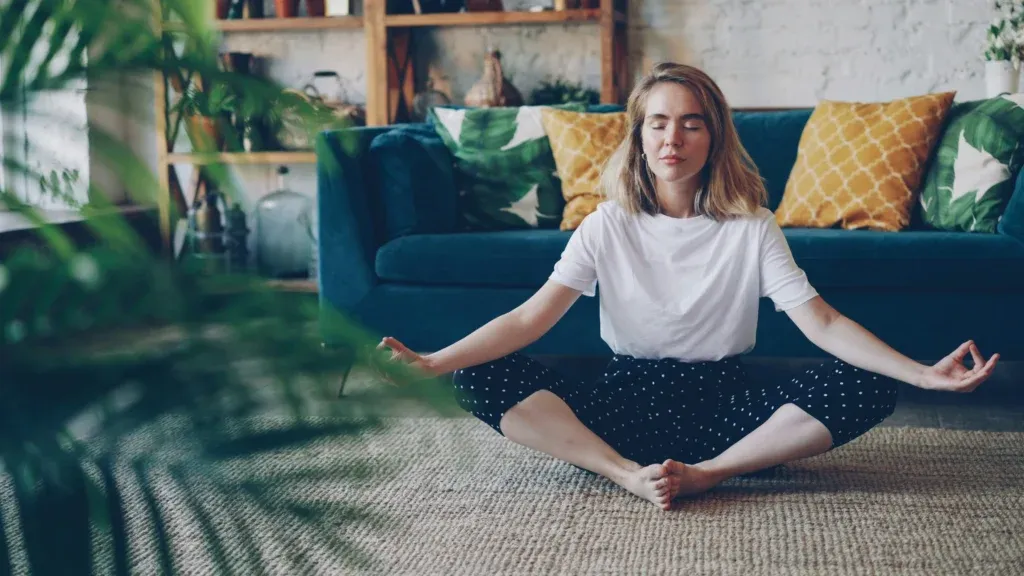
Mindfulness and meditation come up often in conversations about wellbeing, but the two are sometimes confused with each other. Mindfulness is a way of being attentive to the present moment, without judgment, while meditation is a structured practice that trains this attention. Together, they offer accessible tools to calm the mind, reduce anxiety, and better handle the pace of daily life, without any special equipment or costly subscription.
Why mindfulness and meditation help so much
The human brain spends a large part of its time replaying the past or anticipating the future. This mode of functioning, useful at times, becomes exhausting when it runs on a constant loop, day after day. Mindfulness proposes bringing attention back to the here and now, which reduces activity in the brain regions associated with rumination and persistent anxiety.
Research on meditation increasingly supports these observations. A regular practice, even a short one, is associated with better stress management, more stable attention, and a reduction in anxiety symptoms for many people who build it into their weekly routine. These effects don’t require hours a day: a few well spent minutes are often enough to create a noticeable change in how you react to the unexpected.
What sets these practices apart from a simple moment of relaxation is the intention to observe what’s happening, without trying to change it right away. Watching television or scrolling a screen can relax the mind at times, but it doesn’t build the same capacity for attention as mindfulness practiced deliberately and repeatedly.
How to practice mindfulness day to day
Conscious breathing
Paying attention to the breath, without trying to control it, is one of the simplest exercises for anchoring the mind in the present. All it takes is noticing the air coming in and going out, and gently returning to that sensation each time attention drifts toward a thought. This exercise can be done sitting, standing, or even while waiting in line, without anyone around noticing.
The body scan
This exercise involves paying attention to each part of the body, from the feet up to the head, observing the sensations without trying to change them. It helps release tension that often builds up unnoticed, particularly in the shoulders and jaw. A full session usually lasts between ten and twenty minutes, but a shortened five minute version remains just as beneficial during a busy period.
Grounding through the five senses
Naming one thing you see, one you hear, one you touch, one you smell, and one you taste quickly brings attention back to the present moment. This technique is especially useful during a passing wave of anxiety. Guided videos on managing emotions offer exactly this kind of five senses grounding exercise, to follow step by step.
Mindful walking
Walking slowly while paying attention to the feet making contact with the ground, to the breath, and to the surrounding sounds turns an ordinary walk into a moment of mindfulness. This practice suits people who find sitting uncomfortable or hard to maintain for a long period. It can be done outdoors or even in a hallway, over just a few metres.

It can sometimes be easier to build these exercises into your routine as a group, alongside other people who are also looking to slow down. Free, anonymous virtual meetups let you talk about these practices in a confidential setting, with no obligation to turn on your camera or microphone.
These four exercises require no special equipment and can be combined depending on the needs of the moment. Some people prefer to start with breathing, which is more discreet, before exploring more structured practices like the body scan once the habit is well established in their routine.
Mindfulness versus formal meditation, what are the differences
| Aspect | Mindfulness | Formal meditation |
| Duration | A few seconds to a few minutes | Often 10 to 20 minutes |
| Context | Built into a daily activity | A dedicated moment, sitting or lying down |
| Goal | Bring attention back to the present | Train attention in a structured way |
| Example | Eating, walking, or breathing mindfully | Guided meditation or a full body scan |
Neither of these two approaches is superior to the other: they simply meet different needs depending on the time of day, the energy available, and the context you’re in, whether at the office, at home, or on the move.
Documented benefits of mindfulness and meditation
Several health organizations now recognize the value of these practices as a complement to other wellbeing approaches, without replacing professional care when that’s needed. Here are a few effects regularly observed in people who practice consistently over several weeks.
- A decrease in perceived daily stress levels
- Better sleep quality among people who practice in the evening
- A greater ability to observe your thoughts without getting swept up in them
- A reduction in symptoms tied to mild to moderate anxiety
- Improved concentration during extended tasks
- Greater ease returning to calm after a stressful surprise
- A sharper awareness of automatic thoughts before they spiral
These effects vary from person to person depending on how often you practice, your life circumstances, and consistency over time. There’s no universal threshold to reach: every short session counts, even when it seems too brief to make a real difference.

Making mindfulness and meditation a lasting habit
The biggest trap when starting meditation is aiming for perfection from the very first sessions. The mind wanders, comes back, wanders off again… That’s normal. Every return to the present moment, however brief, is already the exercise you’re after, even when the mind seems to have drifted dozens of times during a single session.
Starting with two or three minutes a day, at a fixed time, helps anchor the practice without it becoming one more obligation in an already busy schedule. Over time, the duration can grow naturally, at each person’s own pace, with no fixed target to hit at all costs.
Pairing the practice with a habit you already have, like waking up or your lunch break, also increases the odds that it will stick. After a few weeks, many people report thinking of it spontaneously in moments of tension, without any particular conscious effort.
To go further, free recommended tools and apps offer guided mindfulness and meditation sessions, including body scan style exercises accessible to every experience level.
Frequently asked questions
What’s the difference between mindfulness and meditation?
Mindfulness is a state of attention to the present moment that you can practice at any time, such as while walking, eating, or waiting for the bus. Meditation is a more structured practice, usually done sitting and set aside for a specific moment, that trains this same capacity for attention. The two complement each other well and often serve as an entry point into one another as part of a lasting wellbeing routine.
How long do you need to meditate to feel the effects?
Some people notice a calming effect from the very first session of just a few minutes. More lasting benefits, like better management of anxiety or sleep, generally appear after several weeks of regular practice, even if it’s short each day. It’s better to practice three minutes daily than twenty minutes once a week, irregularly and without much consistency over time.
Do you need experience to start meditating?
No prior experience is needed to start meditating or practicing mindfulness day to day. Guided exercises, available for free online, explain each step simply and let you move at your own pace, with no pressure to perform and no comparison with others. Consistency matters far more than perfect technique, especially during the first weeks of practice and gradual learning.
External sources cited:
- Mindfulness meditation: A research-proven way to reduce stress – American Psychological Association
- Méditations guidées – CIUSSS Mauricie-et-Centre-du-Québec