Strategies
Eco-anxiety: understanding this invisible struggle and learning to manage it
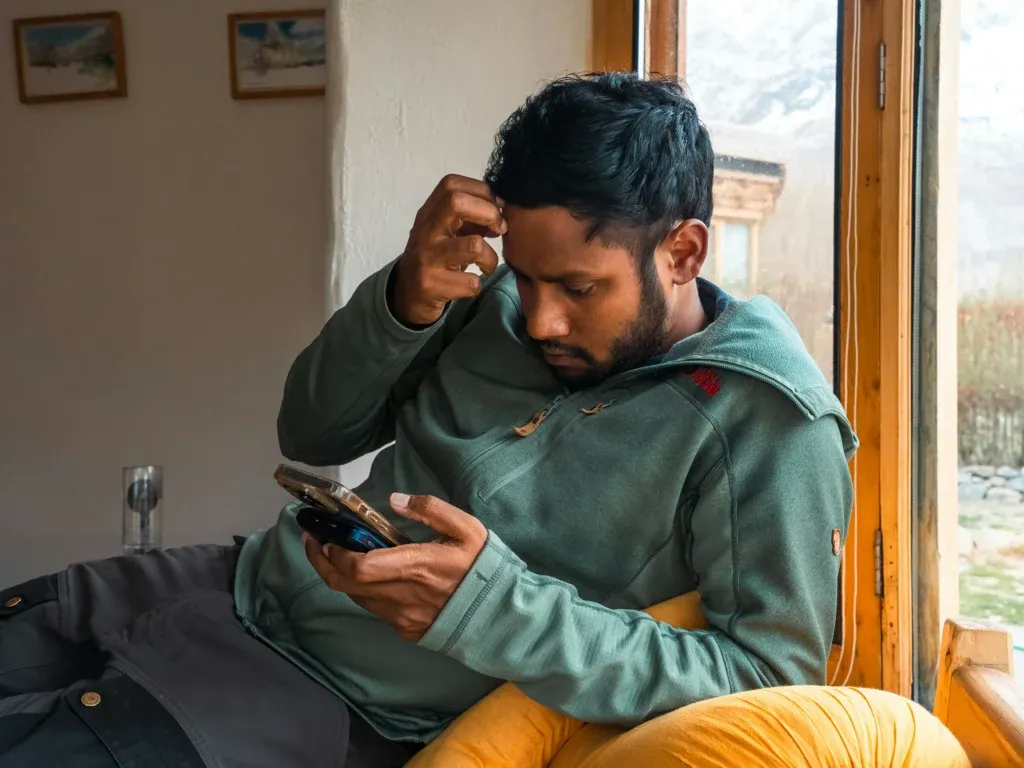
Eco-anxiety affects a growing number of people, especially young adults who closely follow climate news. It is not an imaginary disorder or a passing trend; it is a very real reaction to a very real threat.
Understanding what it is, where it comes from and how to work through it without letting it take over daily life makes all the difference between paralyzing worry and a concern that drives action.
What exactly is eco-anxiety
Eco-anxiety refers to chronic psychological distress linked to observing climate change and its anticipated consequences. It can show up as worry, sadness, anger or a sense of helplessness in the face of the scale of the environmental crisis. Unlike a one-time fear, it often settles in the background, fuelled by a constant stream of alarming news and worrying statistics.
It is not a clinical diagnosis in the strict sense, but it is a phenomenon increasingly documented by researchers and recognized by mental health professionals. It can affect people directly exposed to climate events as well as those who simply worry about the future, whether their own or that of future generations.
The term has become popular in recent years, but the phenomenon it describes has existed for longer, sometimes under less familiar names such as ecological grief or solastalgia. This more precise vocabulary helps put words to an experience that otherwise often remained hard to express clearly.
Where does eco-anxiety come from and who does it affect?
Young people are especially affected, partly because they will have to live with the effects of climate change for longer, but also because they are exposed very early to a large amount of information on the subject. The feeling of having no real influence over decisions made on a large scale often amplifies this distress, particularly among teenagers and young adults.
That said, eco-anxiety spares no one. People of all ages feel it, especially those who work in environment-related fields or live in regions already affected by extreme climate events, such as repeated floods or wildfires. A sense of urgency, combined with the impression of not doing enough individually, feeds a cycle that is hard to break without the right tools.
Some people also feel a form of guilt about their own consumption habits, which adds another layer of distress to an already emotionally charged situation. This guilt, while human, deserves some nuance: collective solutions generally carry far more weight than isolated individual choices.
Practical strategies to manage eco-anxiety
Limit exposure to distressing news
Staying informed matters, but checking climate news nonstop keeps you in a constant state of alert. Setting specific times to catch up on the news, rather than scrolling all day, helps you regain some control over what you let into your mind, without cutting yourself off from current events entirely.
Spend time in nature
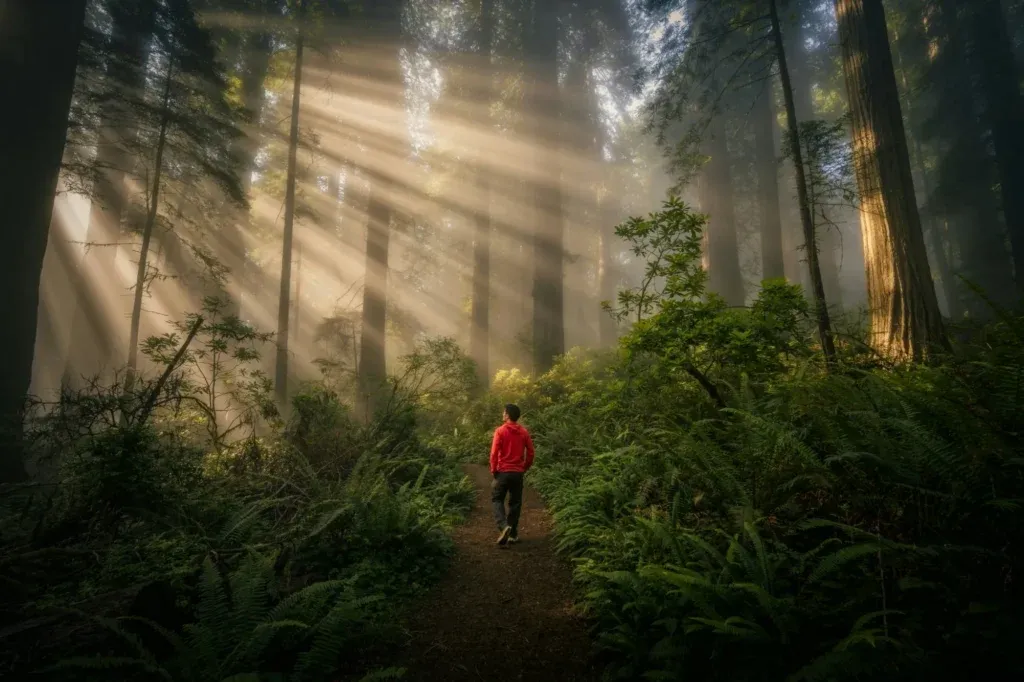
Paradoxically, reconnecting with the natural environment rather than pulling away from it helps ease eco-anxiety. Walking in the woods, gardening or simply watching a stream reminds you of the positive side of your relationship with nature, beyond the bad news making the rounds. Regular contact with living things builds a sense of belonging rather than a purely anxious relationship with the environment.
Channel worry into concrete action
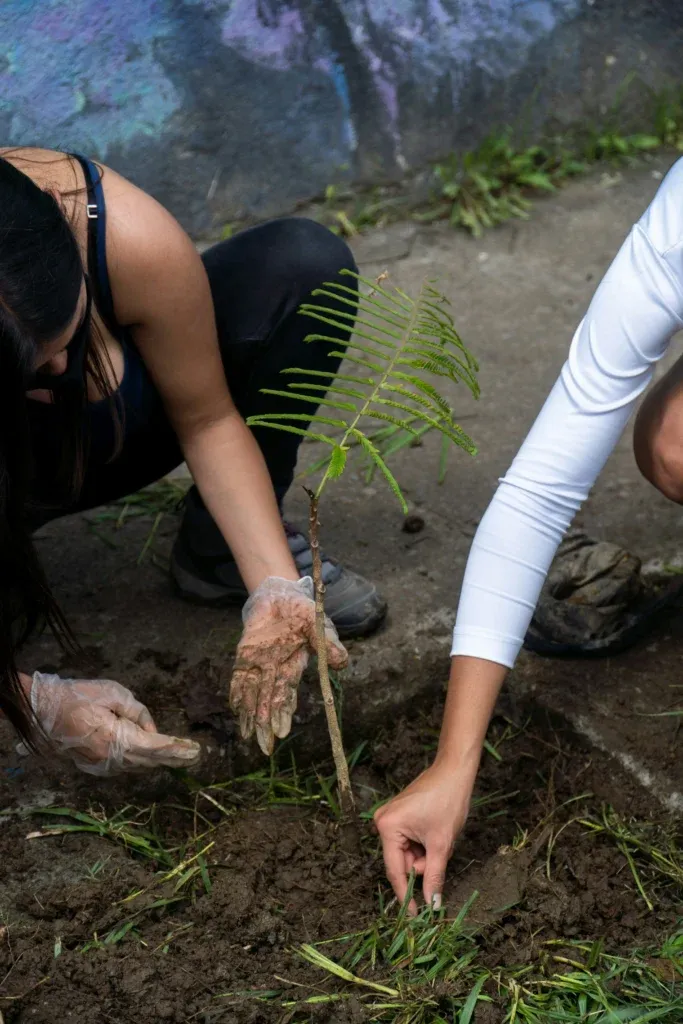
Taking a concrete step, even a small one, restores a sense of agency: cutting back on consumption, joining a clean-up day or getting involved in a community project. Collective action in particular often reduces the isolation that comes with eco-anxiety, replacing helplessness with a tangible act shared with others.
Talk about it with others
Saying what you feel out loud, rather than keeping it to yourself, helps normalize an emotion that is often experienced in silence. Free and anonymous virtual meetings offer a chance to share these concerns with others who feel the same way, in a confidential and judgment-free setting.
Practise grounding exercises
When worry becomes overwhelming, coming back to the present moment through breathing or by tuning into your senses helps calm the body’s reaction. Free videos on managing emotions offer simple exercises to soothe a nervous system that has been on alert for a long time.
Common signs of eco-anxiety
| Type of sign | Examples |
| Emotional | Sadness, anger, guilt, sense of helplessness |
| Physical | Sleep problems, fatigue, muscle tension |
| Behavioural | Avoiding the news, or on the contrary checking it compulsively |
| Cognitive | Intrusive thoughts about the future, difficulty concentrating |
Recognizing which category your own reactions fall into helps you choose the most suitable strategy, rather than trying a generic approach that does not target the real source of your discomfort.
Signs it’s time to seek support
Eco-anxiety becomes a concern when it starts to interfere with daily functioning rather than simply accompanying a legitimate concern for the environment. The following signs deserve particular attention, especially when they persist for several weeks in a row.
- Difficulty functioning at work or school
- Completely avoiding any information about the environment
- A sense of hopelessness that lasts for several weeks
- Growing isolation from loved ones and usual activities
- Physical symptoms of anxiety that keep intensifying
- Repetitive thoughts about the future that keep you from enjoying the present
Seeing a mental health professional is not a sign of weak resilience; it simply means that extra support can help you through a particularly difficult period.
Living with eco-anxiety without letting it take over
Eco-anxiety is not a problem to eliminate completely, since it reflects a legitimate and even desirable concern for our collective future. The goal is not to stop caring, but to keep it from spilling into every part of daily life to the point of harming overall well-being.
Finding a balance between staying informed, acting within your means and protecting moments of rest takes practice, but it gets easier with time and the right support. Free tools and recommended apps can also support this process day to day, especially for managing the stress that often comes with eco-anxiety.
Over time, many people report that this worry, once better understood and channelled, becomes a source of motivation rather than a constant weight. Change does not happen overnight, but every small adjustment helps lighten the emotional load you carry each day.
Frequently asked questions
Is eco-anxiety a recognized mental health disorder?
Eco-anxiety is not an official clinical diagnosis, but mental health professionals increasingly recognize it as a legitimate reaction to climate change. However, it can develop into a more severe anxiety disorder if it is not recognized and addressed in time, especially when it interferes with a person’s daily functioning over a long period.
Why are young people more affected by eco-anxiety?
Younger generations will have to live longer with the consequences of climate change, which partly explains why their level of worry is higher than that of previous generations. They are also exposed very early to a constant flow of information on the subject, often through social media, which amplifies the sense of urgency they feel about a situation they see as largely beyond their personal control.
Should you avoid climate news altogether?
Avoiding information entirely is generally not the most sustainable solution, since staying informed also lets you act in an informed and thoughtful way. It is better to set specific times to check the news rather than following it nonstop throughout the day. This balance helps you stay engaged without slipping into a permanent and exhausting state of alert over the long term.
External sources cited: